Why Wreckers Melbourne Still Matter for Mazda Rotary Engine Parts
The Survival Line for a Unique Engine
If you own a Mazda with a rotary engine, you already know that a standard mechanic can't just pull parts off a shelf. The rotary is a different animal. It demands specific seals, rotors, and housings that most auto parts suppliers don't stock. That is where the network of specialist wreckers Melbourne has built over decades becomes essential. These yards are not just scrap heaps. They are archives of running, dismantled cars that keep older Mazdas on the road when new parts have long stopped being produced.
I have spent more weekends than I care to count underneath an RX-7 or an RX-8, and I have learned one hard truth: the difference between a car that runs and a car that becomes a planter in the backyard often comes down to finding a used part that still has life in it. That is the real role of an auto wrecker. They are the last resort, and sometimes the only resort, for keeping a rotary-powered car alive.
What Sets Rotary Apart
The rotary engine, first developed by Felix Wan, uses a triangular rotor instead of pistons. It is compact, smooth, and loves to rev. But it also has quirks. The apex seals wear out, the housings get scored, and the oil injection system needs careful maintenance. When something goes wrong, you cannot just walk into a chain auto parts store and buy a replacement. Even Mazda Australia's official parts network has limits on how long they support older models. That is where the stock held by a specialist auto wrecker comes in. They have the bits that the factory no longer makes.
I remember hunting for a working fuel pump for a 1993 Mazda RX-7. Every online store said discontinued. A mate told me to try a wrecker near chapel street that had a reputation for holding onto old rotary stock. Sure enough, they had three dismantled cars in the back, and one of them gave me the pump I needed. That experience taught me the value of keeping these yards in mind. When you need used car parts for a niche engine, the yellow pages approach rarely works. You need to know the yards that specialise.
The Reality of Buying Used Rotary Parts
Buying a used engine component is not the same as buying a new one. You have to accept some wear. The housings might show a little chrome loss. The rotors might have marks. But a good wrecker will let you inspect the part before you buy, and they will often have tested it or know its history from the dismantled car. That kind of honesty matters. I have been to yards where the guy behind the counter can tell you exactly why that RX-8 ended up in the yard - a cracked housing from a cold start in winter, or a failed oil pump that starved the rotors. That context helps you decide if the part is worth your time.
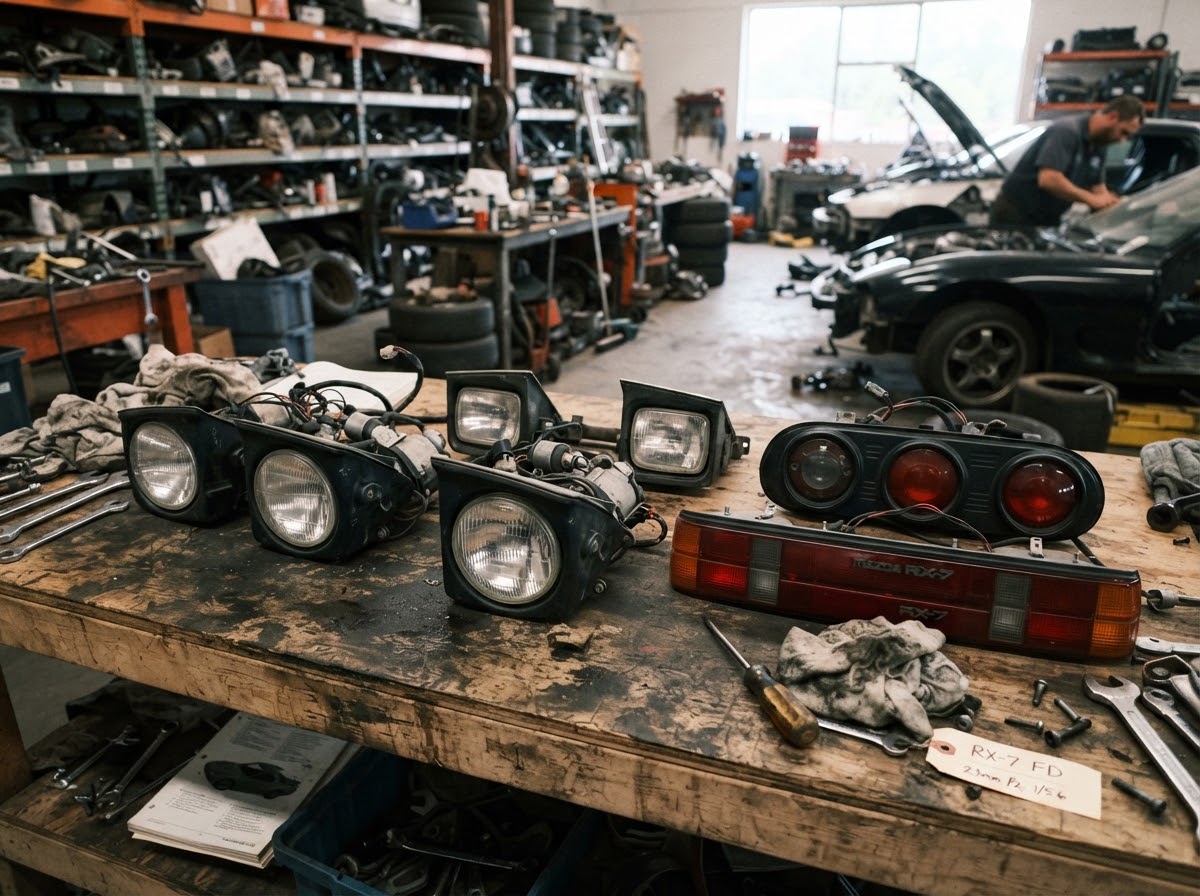
There is also the question of price. New parts from Mazda can cost hundreds, even thousands, for major components like the rotor housing or the eccentric shaft. A used part from a reputable wrecker can cost a fraction of that. But you pay with uncertainty. You have to weigh the risk of installing a part that might fail sooner than a new one. For a weekend car or a restoration project, that trade-off often makes sense. For a daily driver, you might think twice. The key is knowing the specific part and the specific engine. A good mechanic who knows rotaries can often refurbish a used housing or reseal a rotor to give it another 60,000 kilometres. That is money well spent.
Which Cars End Up in the Yards
The most common rotary-powered cars you will find in Melbourne's wreckers are the Mazda RX-7 and the Mazda RX-8. The RX-7, especially the third-generation model from the early 1990s, is a cult car now. Parts for it are getting harder to find every year. The RX-8, which ran from 2003 to 2012, is more common, but its engine has a reputation for needing early replacement, which means there are plenty of used engines available if you know where to look. You also see the occasional Eunos Cosmo, though those are rarer. Some yards also hold parts from the older Mazda 323 with the rotary, or even industrial engines that ended up in boats or generators.
Beyond Mazda, the yards also handle Honda, Toyota, and Nissan cars, but for the rotary enthusiast, the focus stays on the three-pointed star. That is why specialist wreckers Melbourne have a loyal following among owners of these cars. They know that a standard yard will likely scrap a rotary car without pulling the engine, because the staff do not recognise its value. A specialist yard knows to drain the oil, pull the engine, and store it properly. That makes all the difference.
What to Look For When You Visit
When you visit a wrecker yard for rotary parts, bring your own tools. You will often need to remove the part yourself. Bring a socket set, a breaker bar, and some penetrating oil. The cars have been sitting outside, and bolts get stubborn. Also bring cash. Some yards still prefer it.
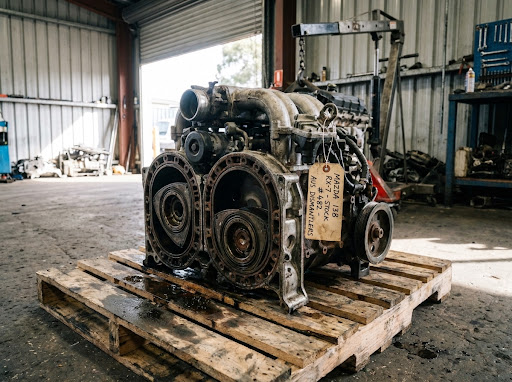
Here are a few things I have learned from years of digging through dismantled cars:
- Check the colour of the oil in the engine. If it is black and thick, the engine likely ran hot. If it is brown and thin, it might have been maintained well.
- Look for any signs of coolant leaks around the housing seals. That is a common failure point on the 13B engine.
- Spin the rotor by hand if you can. It should rotate smoothly without binding. Any roughness suggests internal wear or debris.
- Ask about the car's history. A car that was driven gently and garaged will yield better parts than one that was raced and abused.
- Bring a magnet to check for metal shavings in the oil pan. That is a sure sign of a blown engine.
These checks take ten minutes and can save you a return trip. A good auto parts supplier, even a used one, will not mind you looking. They want you to be confident in the part.
The Environmental Side
There is also a practical environmental argument for using wreckers Melbourne. Car parts recycling keeps metal, plastic, and fluids out of landfill. Every used engine that goes back into a car is one less engine that has to be cast from raw materials. The energy cost of recycling a used rotor housing is trivial compared to smelting new aluminium. And because rotary engines use a unique casting process for the housings, recycling them is especially valuable. The housing contains a chrome plating that is difficult to reproduce outside of a factory. Saving one from the crusher is a small win for the planet.
I also like the fact that these yards often support local car restoration projects. A guy restoring a 1986 RX-7 can find the exact bracket or seal that he needs without waiting for a shipment from Japan. That keeps the car on the road and the hobby alive. Without the network of wreckers, many of these cars would be scrapped for scrap value, and the cultural loss would be real.
Final Thoughts
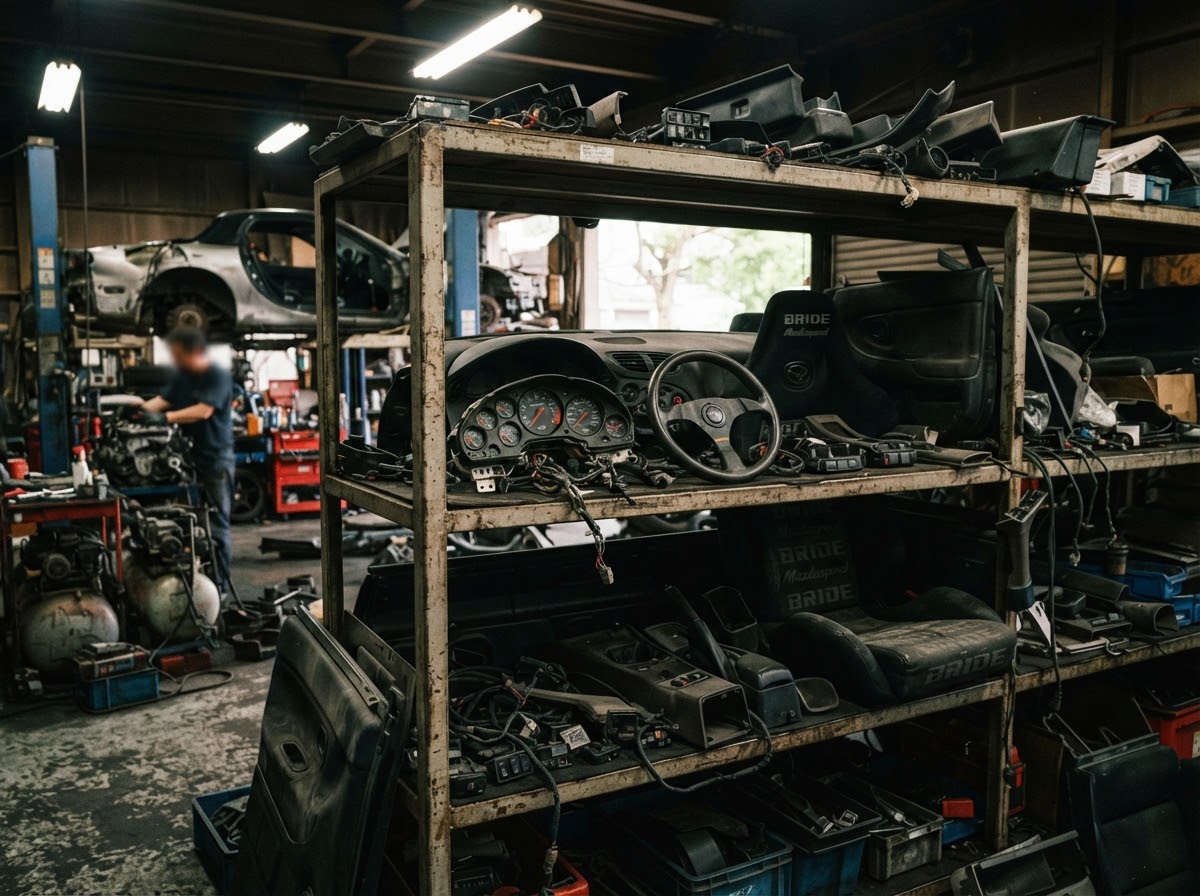
If you own a Mazda with a rotary engine, get to know your local wrecker. Build a relationship. Visit them on a Saturday morning when they are not busy. Ask about what they have in the back. You might find a complete engine from an RX-8 with low kilometres that someone pulled because the gearbox failed. That engine could be the heart of your next project. The used car parts market for rotaries is small but loyal, and the yards that serve it are the backbone of that community.
Wreckers Melbourne have been keeping these cars alive for decades. They deserve more respect than they get. Next time you need a part, skip the online auction and go see what is on the ground. You might learn something, and you will probably save some money too.